Travel
Planning Medical Care on a Trip to Korea: What to Do Before You Arrive, During Your Stay, and Before You Leave (2026)
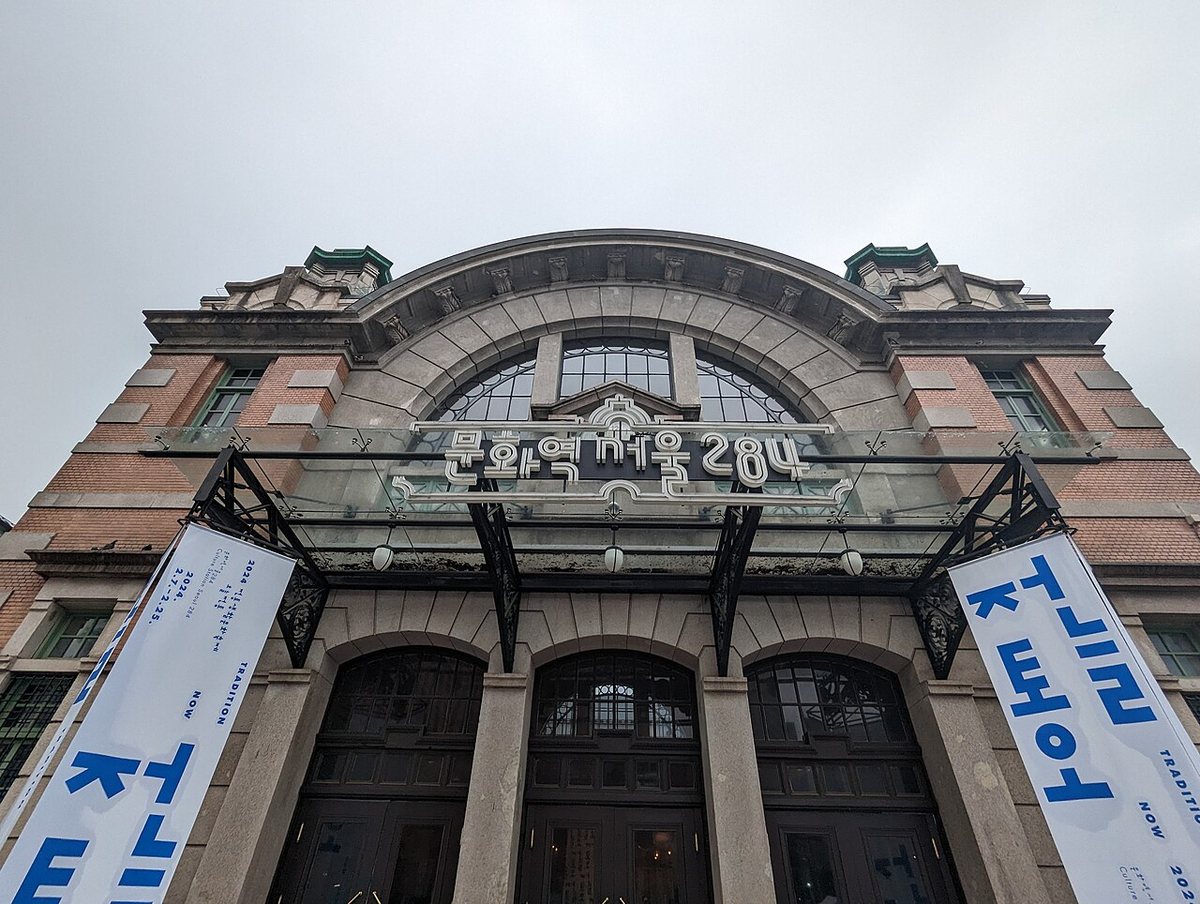
Top photo: the 1925 Seoul Station building (Culture Station Seoul 284), near the AREX station where the Medical Korea Information Center (Seoul) is located. Photo: Sean Young (@assanges), Wikimedia Commons, CC BY 4.0

You can plan care around a trip to Korea. Here is how the days usually go, what to check before you book, and how shopping refunds fit in
If you are coming to Korea and also thinking about medical care — a skin appointment, a procedure, a check-up — this guide is for you. You do not need to memorise the whole system. Get ready before you fly, get through arrival and the first consultation, spend your treatment days in Seoul without rushing, take shopping gently while you recover, and sort refunds before you leave.
In 2025, 2.01 million unique foreign patients received care in Korea. Combining a trip with an appointment is now a common way to visit. This guide does not name clinics, agencies or shops, and it does not recommend any procedure.
A short note: this is general travel information, not medical advice, and not a recommendation of any treatment or institution. Decisions about care belong with a licensed clinician who has examined you. Outcomes are not guaranteed. Rules and figures can change, so check the official pages and help desks before you travel and again when you arrive.
At a glance
Check a clinic or agency: Medical Korea (English) or the Korean registry
Help in Seoul: Medical Korea Information Center (메디컬코리아지원센터), AREX Seoul Station, basement level 2, 1577-7129, weekdays 09:00–18:00
Help at Incheon Airport: Terminal 1, next to Exit 7, 032-743-3506 or 032-743-3507, 09:00–21:00 every day
Languages: English, Chinese, Japanese and Russian at both desks
Visas: C-3-3 for treatment of 90 days or less; G-1-10 for 91 days or more (stay within one year). Short treatment may also be possible on a tourist or visit visa — check for your nationality
VAT on procedures: the special refund applied to services supplied by 31 December 2025; it does not cover services from 1 January 2026
VAT on shopping: still available at designated tax-free shops, from ₩15,000. This is a different scheme
If something goes wrong: Korea Medical Dispute Mediation and Arbitration Agency (한국의료분쟁조정중재원), +82-2-1670-2545
Last checked: November 13, 2026
In this guide
- Before you fly
- Arrival and your first consultation
- Treatment days in Seoul
- Recovery: light shopping and sightseeing
- Before you fly home
- A few questions people ask
- Checklist · Sources
Before you fly
Start with the appointment, not the shopping list. Once you know roughly what you want — a consultation, a procedure, a health check — you can work backwards: how many nights you need, whether you should stay after the appointment, and whether you need a medical visa.
Look the institution up on the official Medical Korea site, in English or Korean. A clinic or agency that wants to attract foreign patients has to register. That is not a promise the treatment will go well. It is a basic check that the place is allowed to do this work and carries insurance covering foreign patients. If a name does not appear, or someone steers you toward an unregistered go-between, pause and call the Information Center before you pay a deposit.
- English portal: medicalkorea.or.kr/en
- Registered hospitals: registered hospitals
- Registered facilitators: registered facilitators
- Korean lookup: medicalkorea.or.kr/korp
Visas depend on your nationality and how long you will stay. Two dedicated types exist. C-3-3 is for invited patients whose treatment or recuperation lasts 90 days or less, and for family or caregivers who come with them. The invitation has to come from a registered institution or facilitator, through the Korea Visa Portal. G-1-10 is for treatment of 91 days or more, with a stay of up to one year.
If you only need short treatment, a tourist visa or another visit visa can also be issued for that purpose. Some nationalities enter visa-free or with K-ETA; that does not automatically cover every treatment or a longer stay. Check the visa portal and your embassy before you book. For other immigration questions, call 1345 (from overseas, +82-1345). Extending your stay later requires a change of residence status.
Ask for a written estimate before you agree to anything, including the consultation, tests, the procedure, medicines and follow-up. As a short-term visitor you are usually not covered by National Health Insurance (국민건강보험), so you pay the uninsured or international rate yourself.
Pack a short medical history, a list of medicines and allergies, and the medicines themselves in their original packaging, with prescriptions if you have them. Consider travel insurance, but read the exclusions: planned or cosmetic treatment is often not covered. This guide does not name insurers.
Build recovery time into the itinerary, including a follow-up visit if one is required, before you book a tight departure.
Tip
Save the official registry page for your clinic, and put the help-desk numbers in your phone before you leave: 1577-7129 in Seoul, and 032-743-3506 or 032-743-3507 at Incheon Airport.
Arrival and your first consultation
If you land at Incheon Airport, there is a Medical Korea desk next to Exit 7 on the first floor of Terminal 1, at 272 Gonghang-ro, Jung-gu. It is open 09:00–21:00, every day of the year. You can get help in English, Chinese, Japanese or Russian, including a first steer on medical services and a medical interpreter if you need one.
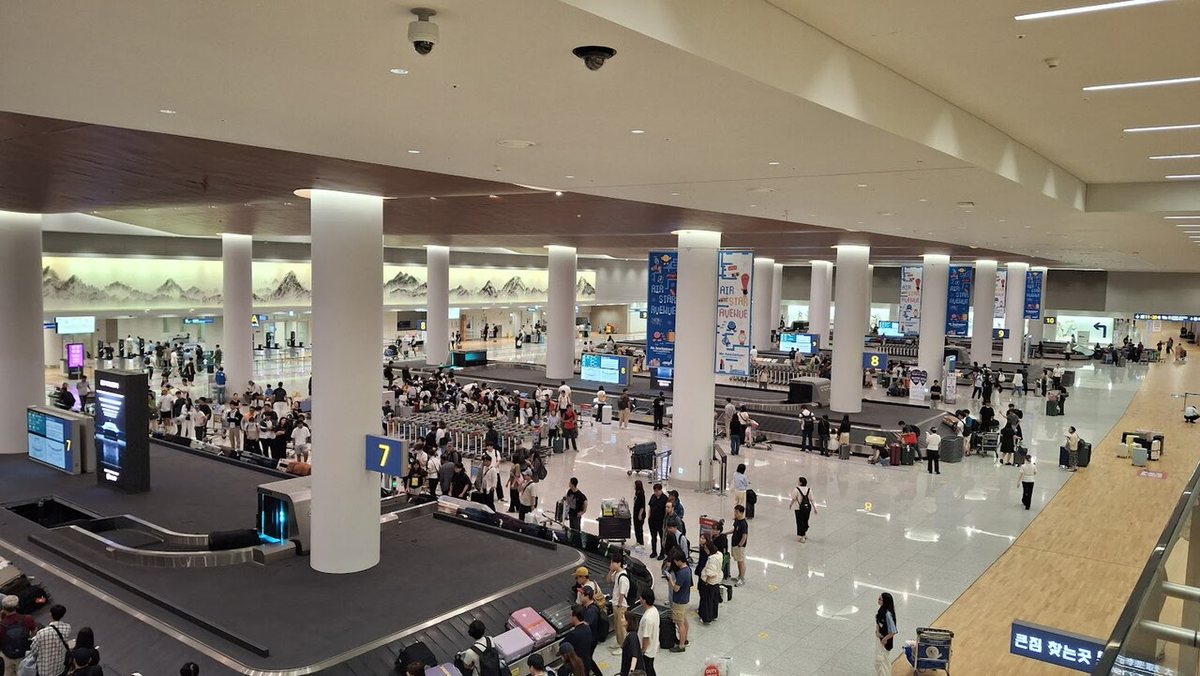
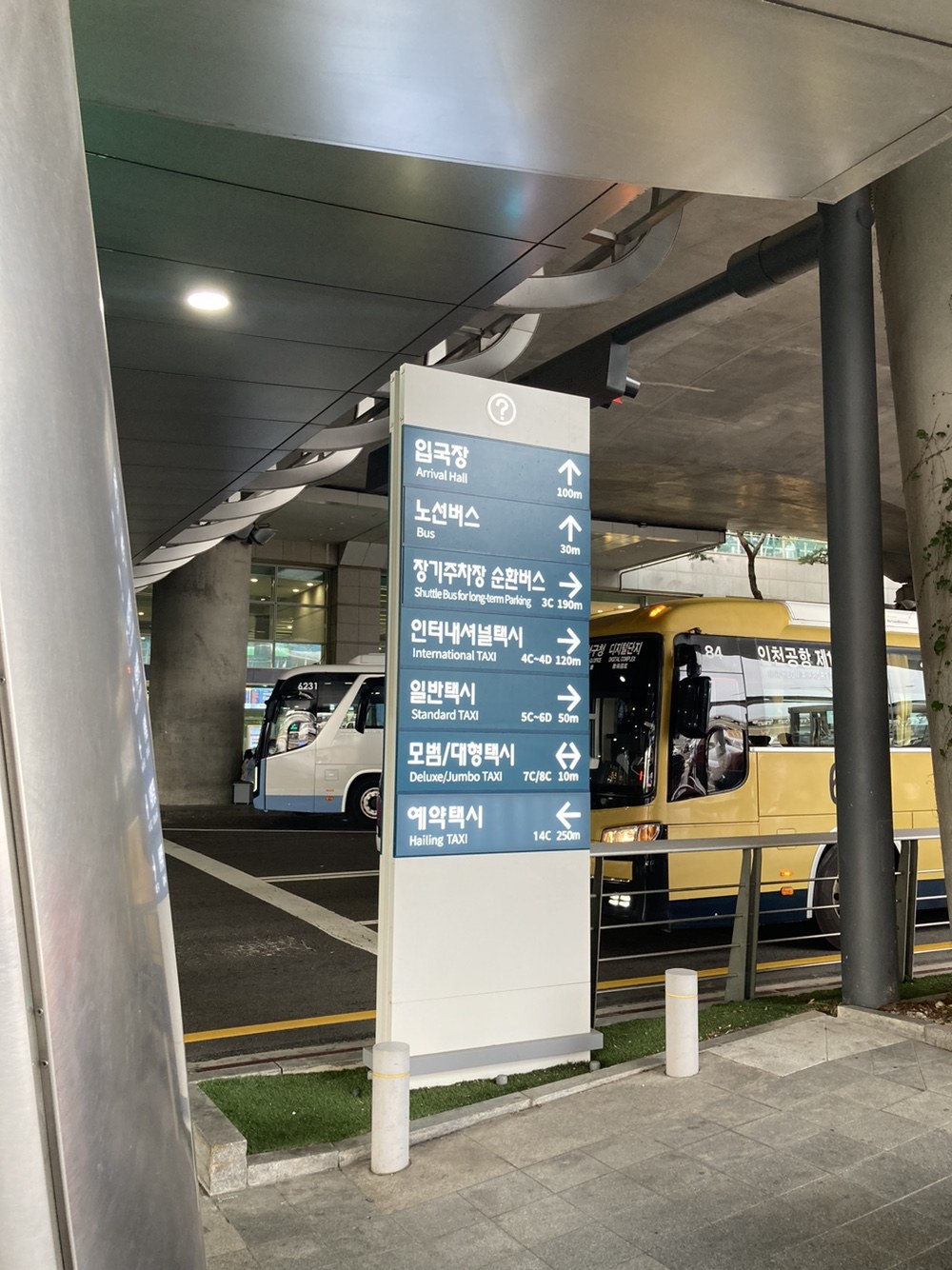
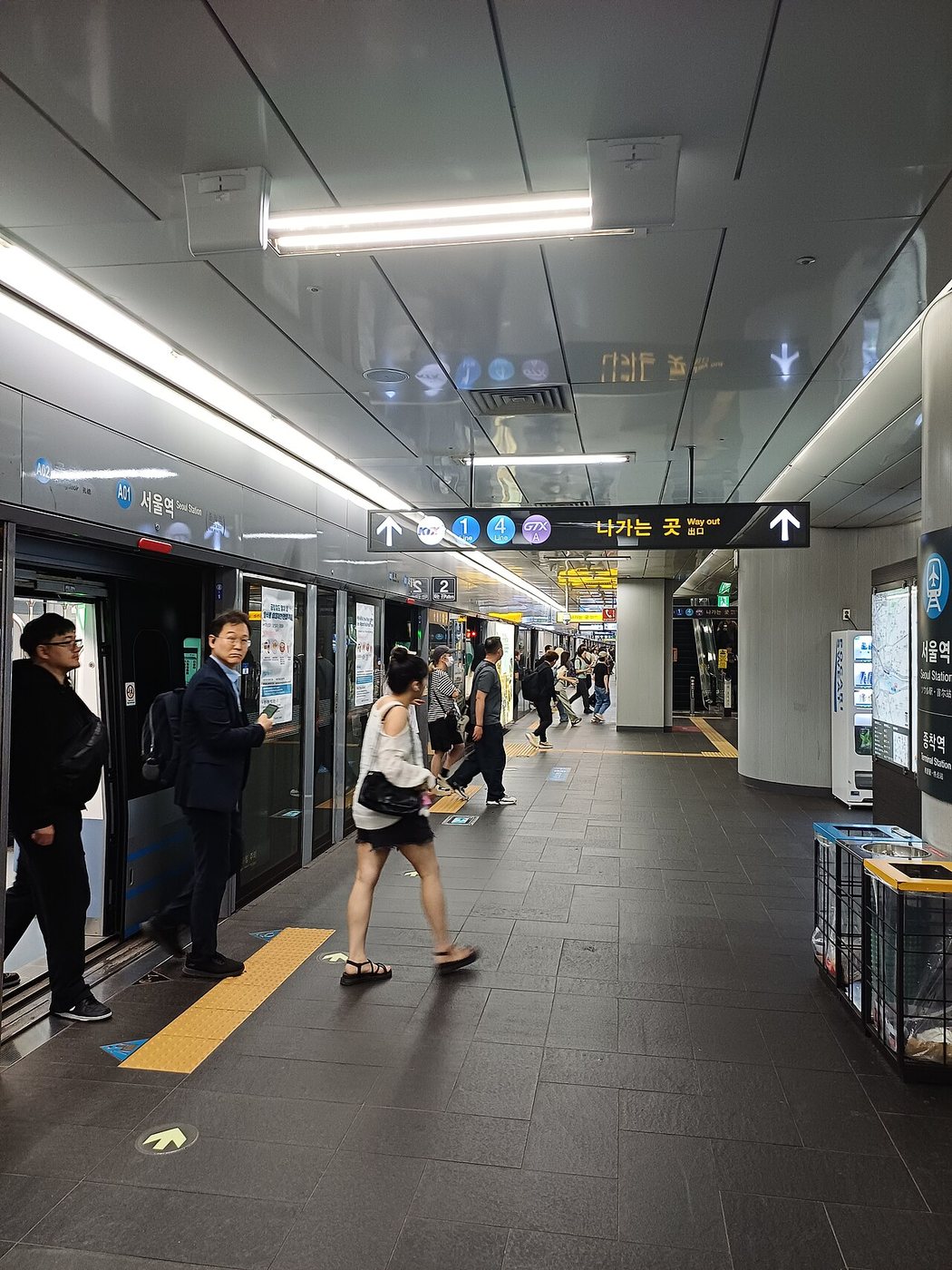
In the city, the same kind of desk sits in AREX (공항철도) Seoul Station, on basement level 2, at 378 Cheongpa-ro, Yongsan-gu. It is open 09:00–18:00, Monday to Friday. Call 1577-7129 (Medical Call). Staff can help with information, booking support, interpreter referrals, reports of unlawful solicitation, and guidance if a dispute starts.
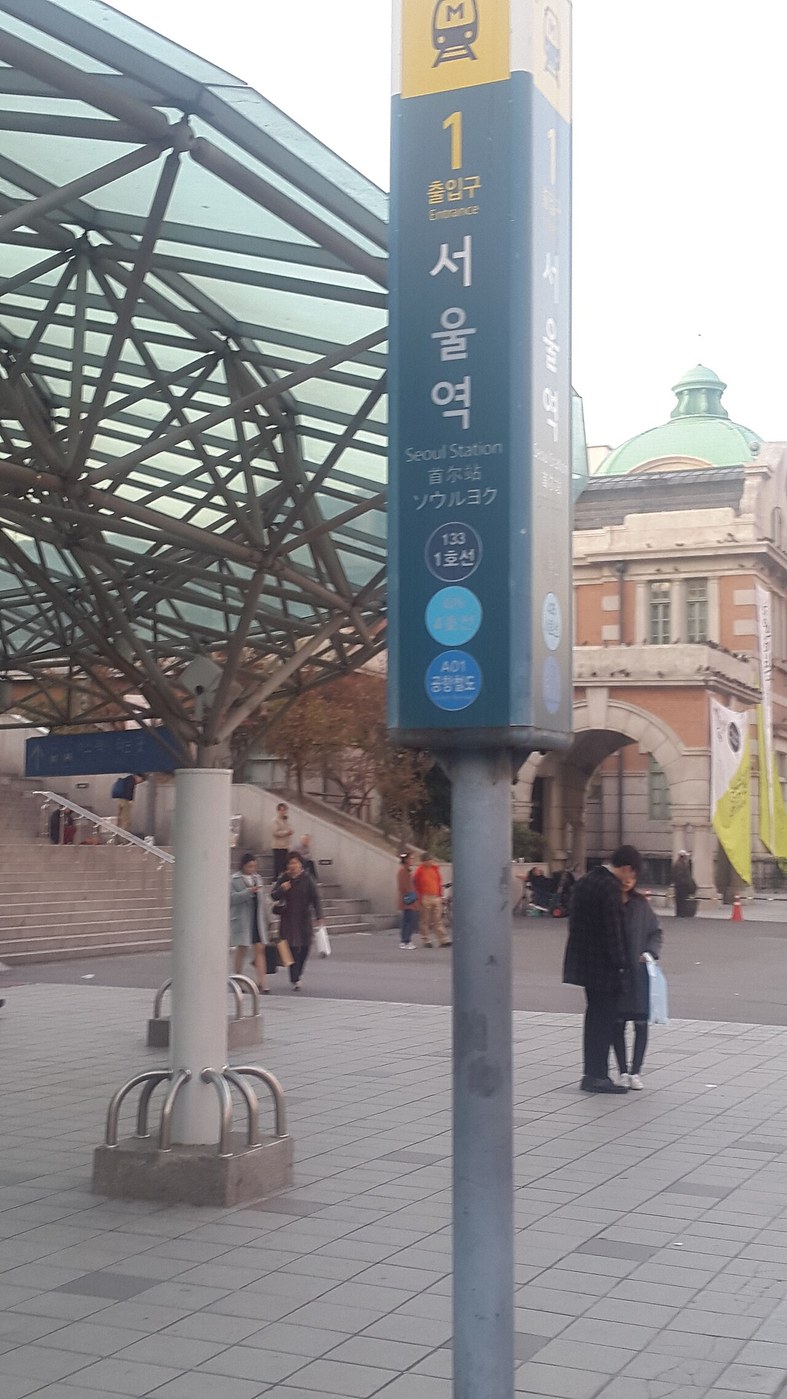
Your first appointment is for questions as much as for treatment. Bring the written estimate and go through it again. Confirm the language you will use, and whether an interpreter will be in the room. If the fee, recovery time, or your flight date is still vague, ask now, while you can still change your plans.
For maps and translation apps that work for visitors, see the essential apps guide.
Tip
Keep the consultation receipt and any records from day one. You may need them for follow-up at home, or if something goes wrong.
Treatment days in Seoul
Give yourself a quiet base and a loose daily plan. You might have a consultation one day, a procedure the next, and a check the day after. Stay near your appointments if you can, and leave room for rest. Seoul is compact, but that is not a reason to pack the calendar.
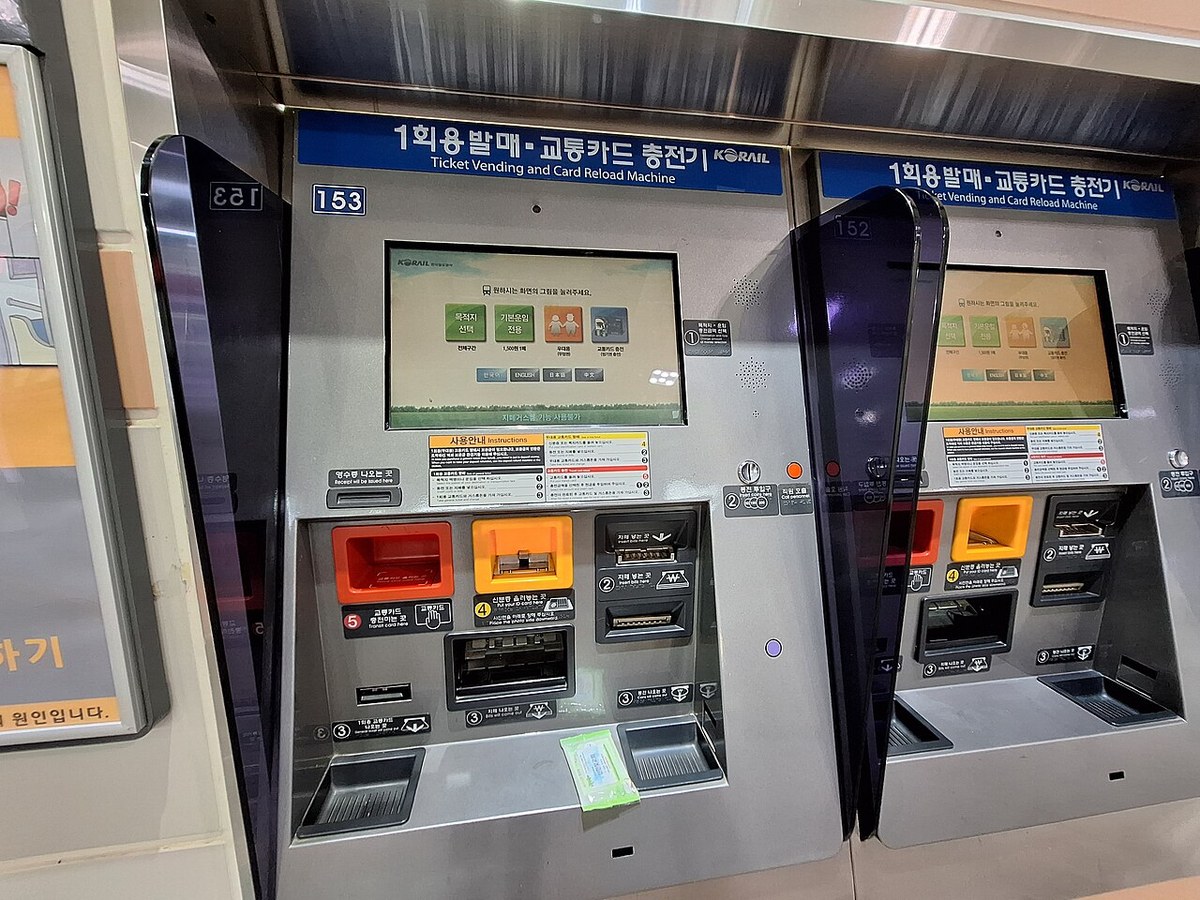
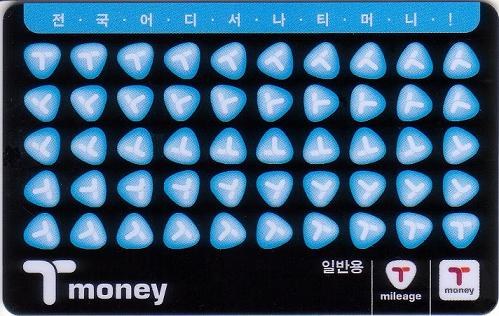
If you feel lost, the Seoul Station desk is there on weekdays. In a medical emergency, call 119.
Be cautious if anyone pressures you to pay a large sum in cash, skip the written estimate, or use an unregistered go-between. Unregistered solicitation of foreign patients is unlawful. You can report it to the Information Center on 1577-7129.
If a problem arises, the Korea Medical Dispute Mediation and Arbitration Agency offers free counselling and a formal process. Call +82-2-1670-2545 on weekdays, 09:00–12:00 and 13:00–18:00, or use the English pages at k-medi.or.kr/eng. The Information Center can help you get that far. Filing a case does not guarantee a result or a payment.
Tip
Tell the clinic how long you are in Seoul, and ask plainly when you should stop walking around, shopping, or flying.
Recovery: light shopping and sightseeing
Set the medical schedule first, then fit in shopping. A same-day shopping trip after a procedure is not always realistic. Leave space in the day, and follow the clinician’s advice on what you can do.
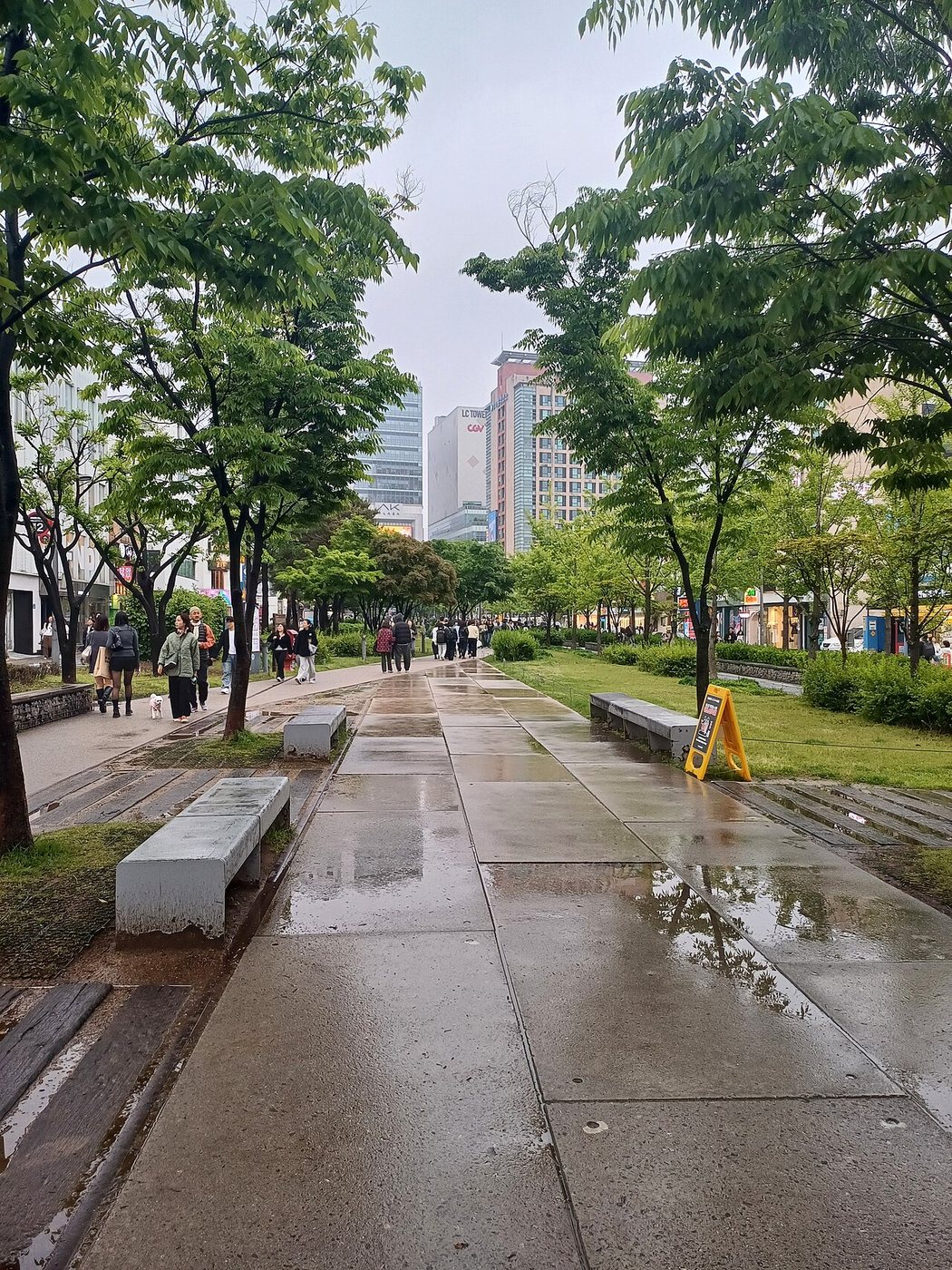
Two tax systems are easy to mix up. They are not the same.
The shopping refund is still in place. At designated tax-free shops (사후면세, often marked Tax-Free or Tax Refund), you can get the value-added tax, and where it applies the individual consumption tax, back on eligible goods. Look for the designation at the shop. This guide does not name stores. A single purchase must be at least ₩15,000, including tax. Take the goods out of Korea within three months and get an export confirmation from customs when you leave. A handling fee may be deducted.
If the shop offers an immediate refund, the tax comes off at the till when one transaction is under ₩1,000,000 including tax, and when your immediate-refund purchases after entry add up to ₩5,000,000 or less. For a single purchase of ₩6,000,000 or less, a downtown refund before you fly may also be possible, still subject to customs confirmation on the way out. Over those limits, use the refund counter at the airport or port.
Airport and downtown duty-free shops (면세점) are a different system. They sell certain goods free of customs duty and some taxes. That is not the after-purchase refund above.
The refund on cosmetic medical procedures has ended. A special rule once returned the VAT on eligible cosmetic services at registered institutions. It applied only to services supplied by 31 December 2025. Under the law in force on 13 November 2026, services supplied from 1 January 2026 are not covered. Bills to restart that refund have been introduced in the National Assembly, but they had not become law when this guide was checked. If this matters to your budget, confirm the current rule with the Information Center or on the official law site before you travel. Do not rely on older pages that still promise a 10 percent refund on procedures.
Tip
Keep tax-refund slips with your passport. If the customs counter needs to see the goods, do not pack them in a bag you have already checked.
Before you fly home
Give yourself time at the airport. If you used the goods tax refund, you still need that customs confirmation. If you received an immediate or downtown refund, you may still be asked to show the goods.
Rules on taking prescription medicines out of Korea vary by drug. Ask the clinic and check customs guidance rather than assuming you can pack everything.
Take receipts, treatment records and, if you were given them, copies of charts or images. If a follow-up at home is likely, you will be glad to have them.
Tip
Recheck your departure date against any follow-up the clinic asked for, and keep the Information Center number in your phone until you are home.
A few questions people ask
Can I receive short treatment on a tourist visa?
If treatment is needed for 90 days or less, a tourist visa or another visit visa can also be issued for that purpose. Whether you still need a dedicated medical visa depends on your nationality, how long you will stay, and what the clinic asks for. Check the Korea Visa Portal and your embassy.
How do I check that a clinic or agency is registered?
Use the official Medical Korea pages linked above. Search in English or Korean. If the name does not appear, or the registration is not current, call the Information Center before you pay a deposit.
Will National Health Insurance cover my visit?
Usually no, if you are a short-term visitor who is not a subscriber or a dependent. Expect to pay the uninsured or international rate, and get the price in writing first.
Can I get a VAT refund on cosmetic or skin procedures in 2026?
Not under the special rule that applied to services supplied by 31 December 2025. Services supplied from 1 January 2026 are not covered by that refund. The goods tax refund at designated shops is separate and is still in place.
Where can I get help in English or Japanese?
The Medical Korea Information Center in Seoul (1577-7129, weekdays 09:00–18:00) and the Incheon Airport desk (032-743-3506 or 032-743-3507, 09:00–21:00 daily) offer English, Chinese, Japanese and Russian. The dispute-mediation agency also has an English site and a telephone counselling line.
Do you recommend a hospital or a clinic?
No. This guide explains how a visit usually unfolds, and the official ways to check and to get help. It does not name or recommend institutions.
Checklist
Before you leave
- Check visa or visa-free rules for your nationality on the Korea Visa Portal and with your embassy or consulate.
- If you need an invitation or a medical visa, work with a registered institution or facilitator, and keep copies of the registration certificate and your appointment confirmation.
- Look the institution up on the official Medical Korea registry.
- Get a written estimate, including what is and is not covered. Confirm the consultation language and whether an interpreter will be there.
- Pack a short medical history, current medicines and allergies, and the medicines in original packaging, with prescriptions if you have them.
- Read your travel insurance for exclusions on planned or cosmetic treatment.
- Build recovery time, and a follow-up visit if needed, into the itinerary before you book a tight departure.
- Save the help-desk numbers: 1577-7129, 032-743-3506, 032-743-3507.
During your stay
- Go through the written estimate again at the first consultation, and ask about recovery and your flight date.
- Keep receipts, treatment records and, where you are given them, copies of charts or images.
- Stay with a registered institution you have checked yourself. Be cautious of anyone who presses you to pay large sums in cash, skip a written estimate, or use an unregistered go-between. You can report that on 1577-7129.
- In a medical emergency, call 119.
Before you fly home
- If you used the goods tax refund, allow time for customs confirmation. Keep slips with your passport, and keep the goods accessible if they need to be shown.
- Ask the clinic, and check customs guidance, before packing prescription medicines to take out of Korea.
- Recheck your departure date against any follow-up the clinic asked for.
Sources
- Ministry of Health and Welfare, 24 April 2026: 2.01 million unique foreign patients in 2025
- Ministry of Health and Welfare, 21 January 2025: Seoul Information Center at AREX Seoul Station, 1577-7129, languages
- Medical Korea FAQ, 5 June 2025: Seoul center hours and address
- Medical Korea FAQ, 5 June 2025: Incheon Airport center hours, phones and location
- Medical Korea, registration guide; English portal; hospitals; facilitators; Korean lookup
- VisitKorea, medical visas: C-3-3, G-1-10, short tourist or visit visa, 1345; apply at visa.go.kr
- Restriction of Special Taxation Act, Article 107-3 [in force 18 September 2026]: procedure VAT refund limited to services supplied by 31 December 2025
- Enforcement Decree on tourist VAT and individual consumption tax [in force 2 January 2026]: goods refund, three-month export period, immediate-refund ceilings and downtown refund
- Enforcement Rule, official amendment reasons: ₩15,000 minimum from 1 January 2024
- Korea Medical Dispute Mediation and Arbitration Agency: +82-2-1670-2545; k-medi.or.kr/eng