Travel
Korea's 3 Most-Visited Hot Springs: Onyang, Bugok and Seokjeong, and How to Get There
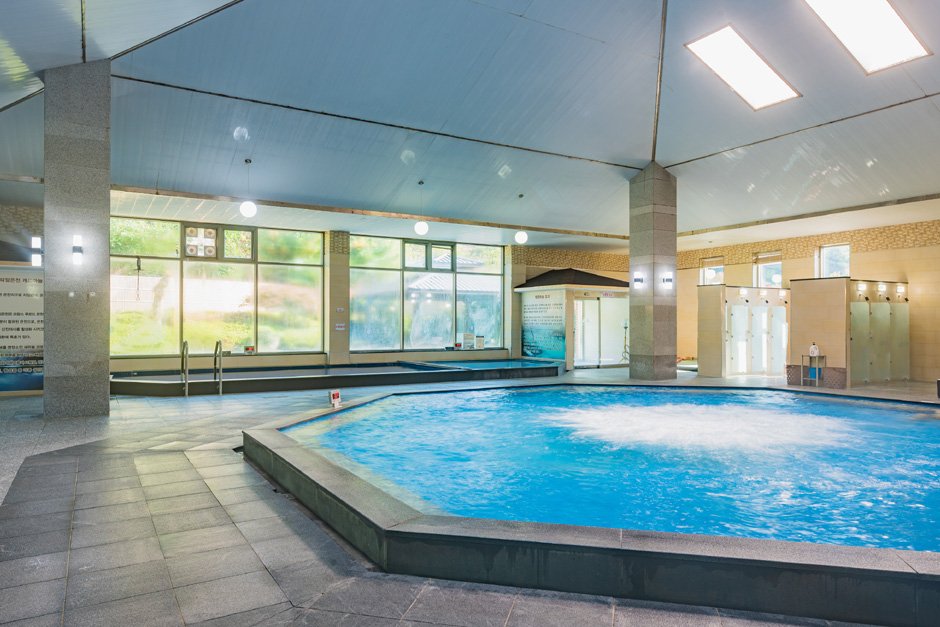
Top photo: the indoor spa at Seokjeong Hu-Spa, Gochang. Photo: Korea Tourism Organization (VisitKorea photo library)
Koreans love a hot bath. Every autumn and winter, families, retirees and tour groups head to hot spring towns called oncheon (온천), soak in mineral water, then sit down to a big meal. Japan's onsen get most of the attention abroad, but Korea has 438 designated hot spring areas, according to the government, and visiting one is a very local way to spend a day.
This guide doesn't use a ranking of my own. The three towns below are the top three in the most recent official count, and each one has a bathhouse you can reach without a car.
At a glance
1. Onyang (Asan): 3.52 million users in 2025; the easiest trip, with Line 1 trains from Seoul Station
2. Bugok (Changnyeong): 3.01 million; sulfur water at 78°C, the hottest in Korea
3. Seokjeong (Gochang): 2.73 million; a resort spa that grew about sixfold in 2025
Bath entry: ₩7,000–₩15,000 for an adult
Bring: Nothing essential; small towels are handed out. Bring a swimsuit only for Seokjeong's indoor spa zone
Last checked: October 16, 2026
In this guide
- How these three were chosen
- The three compared
- 1. Onyang Oncheon
- 2. Bugok Oncheon
- 3. Seokjeong Oncheon
- Bathhouse etiquette for first-timers
- Sources
How these three were chosen
Every year Korea's Ministry of the Interior and Safety (MOIS) publishes a national hot spring status report, with the number of people who used each district's baths. The latest edition, released in July 2026, covers 2025. That year Koreans made 60.2 million hot spring visits, and the top districts were:
- Onyang, Asan, South Chungcheong: 3,516,000
- Bugok, Changnyeong, South Gyeongsang: 3,006,000
- Seokjeong, Gochang, North Jeolla: 2,730,000
Next came Dongnae in Busan (1.96 million), Deoksan in Yesan (1.94 million) and Yuseong in Daejeon (1.60 million).
The order does change. In 2024 the top three were Bugok, Onyang and Deoksan; in 2023 it was Deoksan, Bugok and Onyang. Onyang and Bugok are in the top group every year. Seokjeong is the newcomer: according to the ministry, a hotel expansion that opened in April 2025 lifted it from about 450,000 users to 2.73 million. So read this as the 2025 top three, not a permanent ranking.
The three compared
| Onyang | Bugok | Seokjeong | |
|---|---|---|---|
| 2025 users | 3.52 million (1st) | 3.01 million (2nd) | 2.73 million (3rd) |
| Water (MOIS) | Sodium bicarbonate, 54.5°C | Sodium sulfate with sulfur, 78°C | Sodium (calcium) sulfate, 25.4°C (heated) |
| Adult bath entry | ₩10,000–₩12,000 | ₩7,000–₩8,000 | ₩15,000 |
| From Seoul | Line 1 train, about 2 h–2 h 25 min | Intercity bus, 4 a day from Seoul Nambu | Express bus about 3 h 10 min, plus a taxi |
| Best for | A day trip with no planning | The hottest water, an old-school spa town | Families; a modern resort spa |
1. Onyang Oncheon (온양온천), Asan
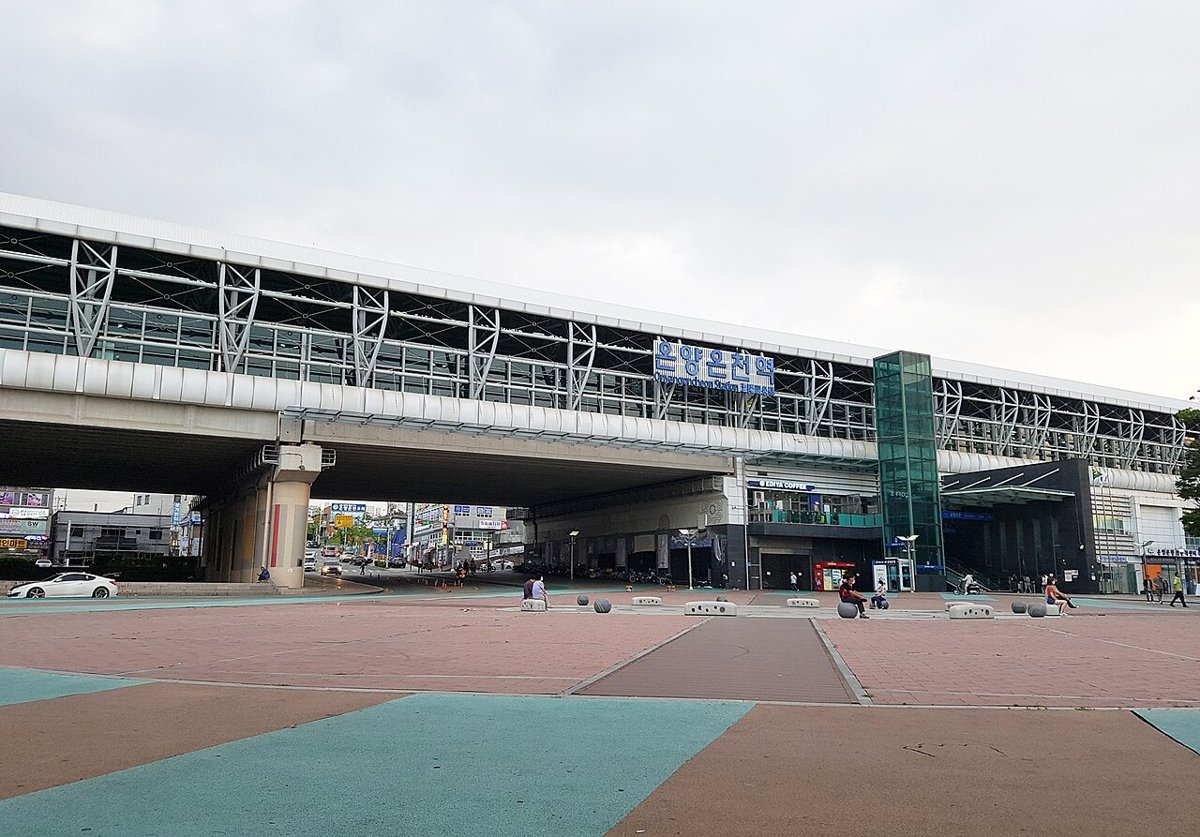
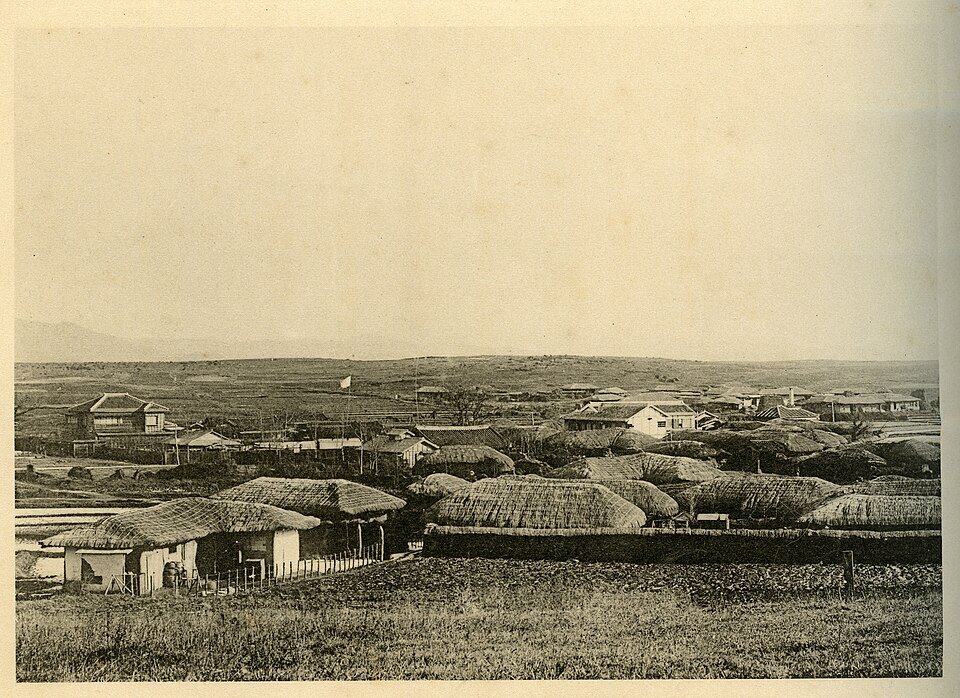
Why go: Onyang is Korea's most-used hot spring and the easiest to reach: the train station is named after it, and the bathhouses are on the main road outside. It also has the longest history. Joseon kings came here to bathe, and the Onyang Hotel stands on the site of their royal bathing palace, Onyang Haenggung. The water is clear sodium bicarbonate, which bathers describe as soft on the skin, and comes out of the ground at 54.5°C.
Where to bathe:
- Onyang Hotel Grand Bath (온양관광호텔 대온천탕), 1459 Oncheon-daero. Large separate men's and women's baths with an outdoor bath, a dry sauna and a steam sauna. Open Sunday–Friday 06:00–20:00 and Saturday 06:00–22:00; last entry one hour before closing. Closed on the third Tuesday of each month. Adults (elementary school age and up) ₩12,000, seniors 65+ ₩10,000, children from 24 months to preschool ₩9,000. Phone 041-540-1500.
- Wontang Sincheontang (원탕신천탕), 1469 Oncheon-daero, next door. A simpler, cheaper local bathhouse. Open daily 05:00–18:00. Adults ₩10,000, seniors ₩8,000, students ₩5,000, children ₩3,000. Phone 041-545-7777.
Getting there: Seoul Metropolitan Subway Line 1 (Korail) to Onyangoncheon Station (온양온천역)
Time: About 2 h 00 min–2 h 25 min direct from Seoul Station
Walk: Both bathhouses are 250–450 m from the station
Cost: Standard subway fare; pay with a T-money card
Getting there: Korail's weekday timetable (from September 1, 2026) lists 28 Line 1 trains that run direct from the underground platforms at Seoul Station to Onyangoncheon; check that the train's destination says Sinchang (신창) or Onyangoncheon. For example, the 06:18 arrives at 08:20 and the 07:15 at 09:17. To save time, take a KTX to Cheonan-Asan, walk to the connected Line 1 Asan Station, and ride three stops to Onyangoncheon.
Make it a day
Onyang is a good half-day add-on to Seoul. Go in the morning, bathe, and have lunch in town. You'll be back in Seoul by late afternoon without booking anything.
2. Bugok Oncheon (부곡온천), Changnyeong
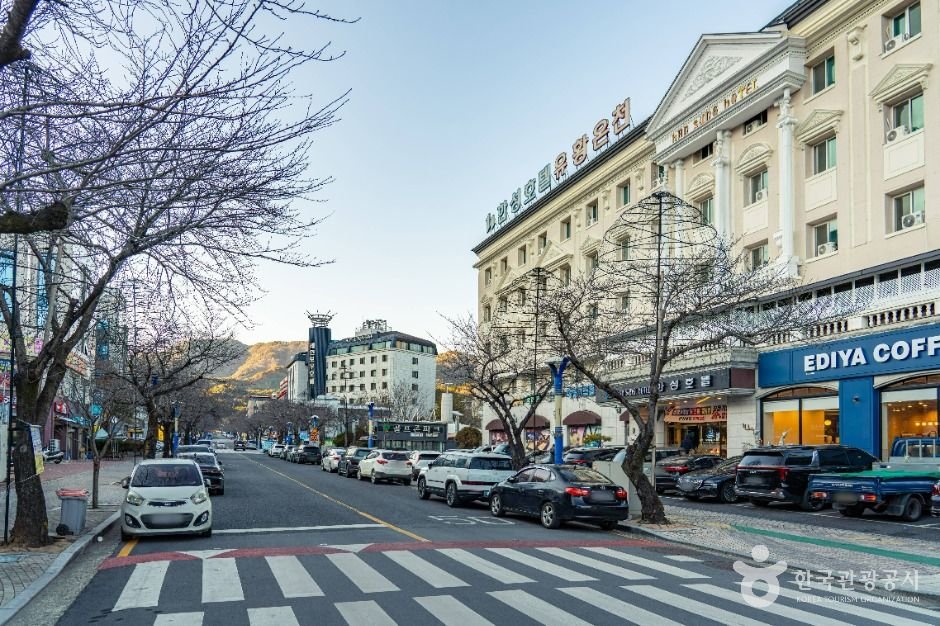
Why go: Bugok has the hottest water in Korea. MOIS records it at 78°C, with sulfur (yuhwang, 유황) in a sodium sulfate spring. It is a classic spa town: a few blocks of hotels, bathhouses and restaurants in a valley in South Gyeongsang. In 2024 it was Korea's most-used hot spring, and it came second in 2025.
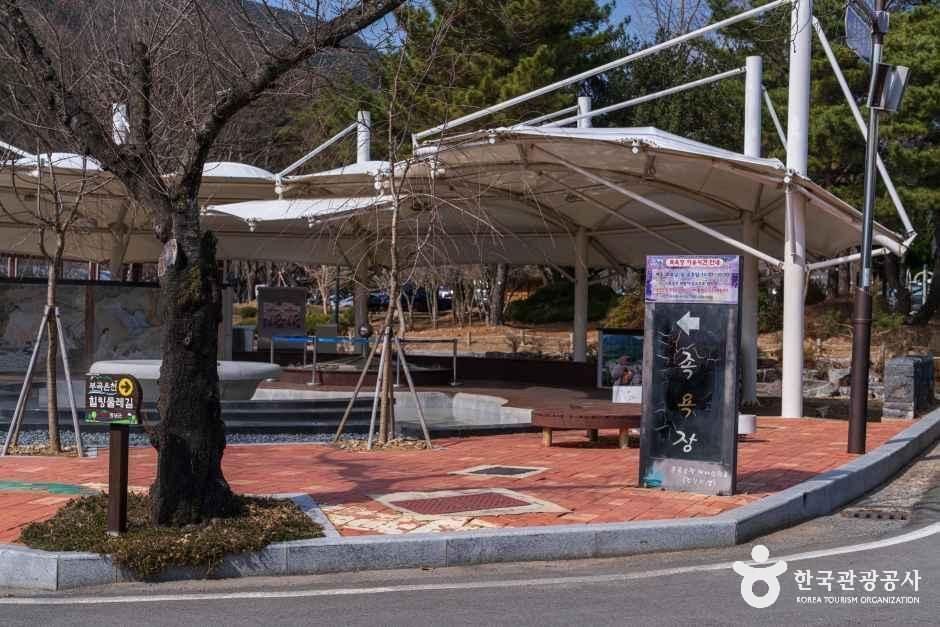
Where to bathe: Bugok Spadium Ttaogi Hotel (부곡스파디움 따오기호텔), 42 Oncheonjungang-ro, is the main option. Its sauna (bathhouse) opens 05:00–21:30. Booking sites list adults at ₩7,000 on weekdays and ₩8,000 on weekends, and children (36 months to 12 years) at ₩6,000 / ₩7,000. Its outdoor pool area has closed for the season, so in autumn and winter the indoor baths are what you'll get. Phone 055-530-3000 to check before you go. The Bugok Royal Hotel (부곡로얄관광호텔, 3 Oncheonjungang-ro) also has a public bath.
Getting there: Premium intercity bus from Seoul Nambu Terminal (서울남부터미널) to Bugok, via Hyeonpung, Changnyeong and Yeongsan
Departures: 08:00, 11:20, 14:10 and 18:10 daily
Fare: ₩40,700 adult
Walk: Bugok bus terminal (199 Wonang-ro) is about 400 m from the Spadium
Getting there: Only four direct buses a day run from Seoul Nambu Terminal (Line 3, Nambu Bus Terminal Station), so book a seat on the Bustago site or app. From the Bugok terminal it is a short walk to the hotels. Buses also run to Bugok from Daegu (Seobu terminal), Changwon (Masan), Gimhae, Miryang and Changnyeong town, so if you are already in the southeast you can bathe here on the way.
Stay overnight
With only four buses a day and a long ride from Seoul, Bugok is hard as a day trip. Book a night at one of the spa hotels and bathe in the evening and again the next morning.
3. Seokjeong Oncheon (석정온천), Gochang
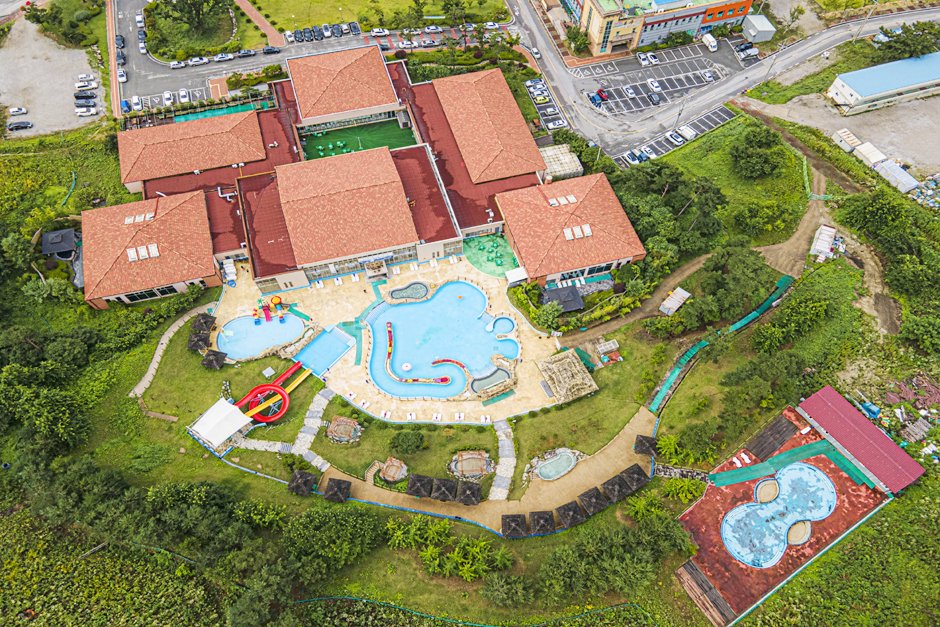
Why go: Seokjeong is a modern resort spa in Gochang, North Jeolla, and the surprise of the 2025 count. After a hotel opened beside it in April 2025, it grew from about 450,000 users to 2.73 million and took third place. The spring water is sodium (calcium) sulfate. At 25.4°C it comes out of the ground lukewarm, so it is heated for the baths. The resort advertises its water as rich in germanium. It is the most family-friendly of the three, with a water-play zone alongside the traditional baths.
Where to bathe: Seokjeong Oncheon Hu-Spa (석정온천휴스파), 173 Seokjeong 2-ro, open all year. Phone 063-560-7500.
- Hot spring baths (separate, nude): 06:00–20:00 on weekdays, 06:00–21:00 on weekends; last entry one hour before closing. ₩15,000 for everyone 36 months and older (under 36 months free). Children aged 5 and up can't go into the opposite-sex bath with a parent.
- Indoor spa (mixed, with pools): 09:00–19:00. ₩30,000 in the off-season; in the 2026 peak season (June 27–July 17 and August 18–31) ₩40,000 and in the top peak (July 18–August 17) ₩45,000, both including the outdoor spa. Entry after 16:00 is half price. Families swim together here, so bring a swimsuit.
Getting there: Express bus from Seoul Central City Terminal (센트럴시티터미널) to Gochang
Departures: 16 a day, 07:05 to 19:30
Time: About 3 h 10 min
Fare: ₩21,700 standard, ₩28,300 premium
Last leg: Gochang terminal to the Hu-Spa is about 4.3 km; take a taxi
Getting there: Express buses leave from Central City Terminal (Express Bus Terminal Station, Lines 3, 7 and 9) about once an hour. Morning departures are 07:05, 07:40, 08:20, 09:00, 09:50 and 10:45. The buses arrive at the Gochang temporary terminal (고창임시터미널); from there it is about 4.3 km to the spa. I couldn't confirm a useful local bus, so plan on a short taxi ride.
Bathhouse etiquette for first-timers
Korean hot spring baths work like Korean public baths everywhere, and the rules are simple:
- Nude, single-sex. The baths are separated into men's and women's sides, and everyone bathes naked. Swimsuits are not worn in the baths. The exception is a mixed spa or pool zone like Seokjeong's indoor spa, where swimsuits are required.
- Wash first. Shower thoroughly at the washing stations, sitting on the stool, before you get into any shared pool. Rinse again after a scrub.
- Towels. You'll be given small towels at the desk or in the changing room. Keep them out of the water. Use them to dry off before going back to the locker room.
- Keys and phones. Wear your locker key on your wrist. Never take photos in the bath or changing areas.
- Kids. Young children may go into the opposite-sex bath with a parent, but the age limit varies by bathhouse. At Seokjeong Hu-Spa it stops at age 5; elsewhere, ask at the desk.
- Tattoos. None of these three bathhouses publishes a tattoo policy that I could find. If you have large tattoos, call ahead.
Oncheon, sauna or jjimjilbang? A hot spring bathhouse (oncheontang) is mostly baths: hot pools, a cold pool, a dry and a steam sauna, and washing stations. A jjimjilbang adds a co-ed area where you change into a provided T-shirt and shorts and relax in heated rooms, eat and even sleep. The bathhouses in this guide are oncheontang. Expect a bathing session of an hour or two rather than a night.
Go on a weekday
Weekend mornings bring tour buses and families to all three towns. A weekday visit is quieter, and at Seokjeong the indoor spa is cheaper outside peak season.
Sources
- Ministry of the Interior and Safety, 2026 National Hot Spring Status (2025 data), released July 7, 2026: visitor numbers, rankings, water types and temperatures
- Onyang Hotel, Grand Bath page: hours, closing day, prices
- Kakao Map listing for Wontang Sincheontang: hours and prices, checked October 2026
- Seokjeong Oncheon Hu-Spa, hours and prices
- Korail, Line 1 weekday timetable effective September 1, 2026
- Bustago (Seoul Nambu–Bugok) and Kobus (Central City–Gochang): times and fares, checked October 16, 2026
- Bugok Spadium Ttaogi Hotel listings on booking sites: sauna hours and prices