Travel Tips
How to Use the Subway in Korea: 13 Practical Tips for Seoul (and Busan)
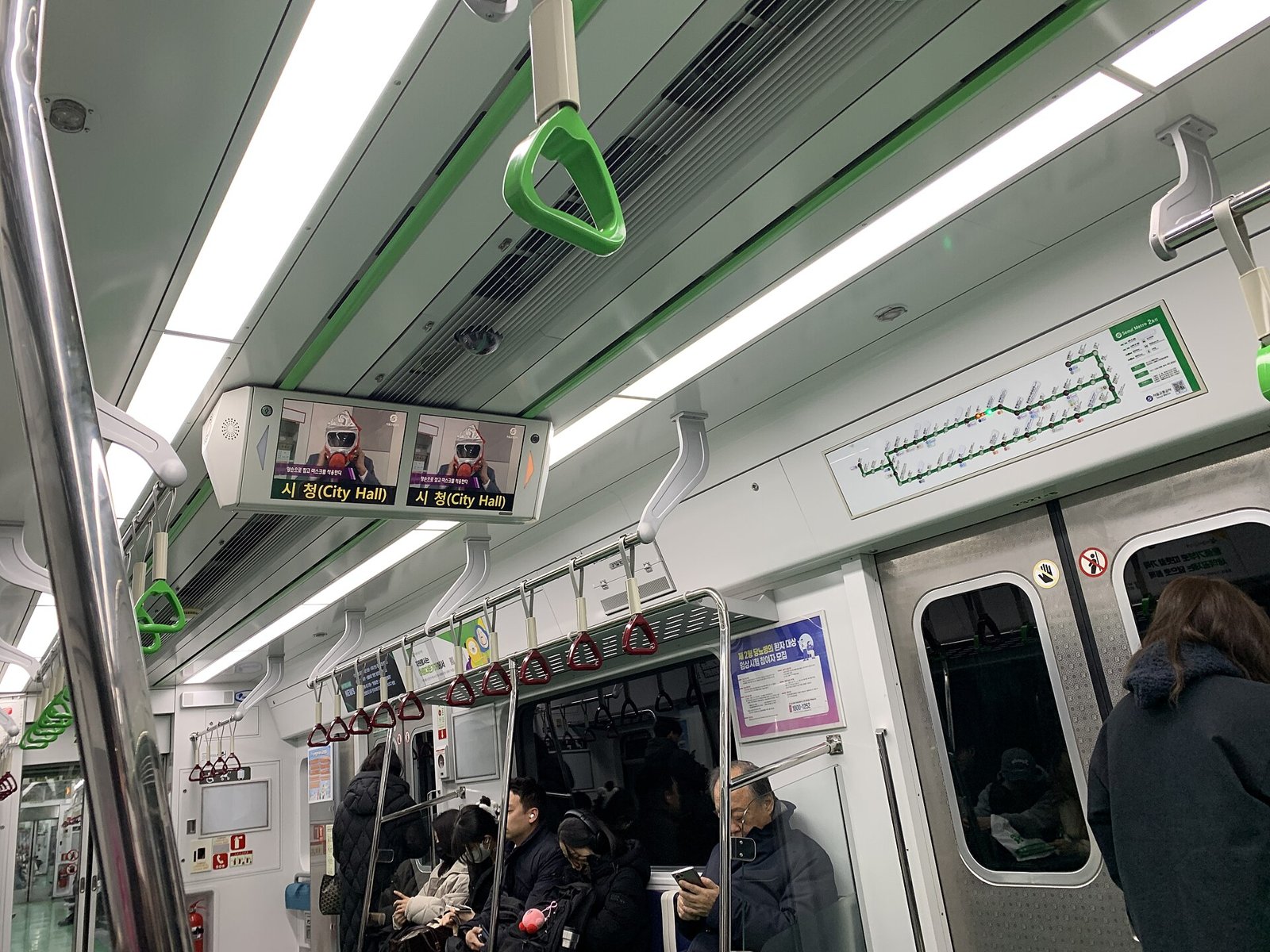
Top photo: a Line 2 train in January 2024. Photo: R151trains, Wikimedia Commons, CC0

Seoul's subway is cheap, clean and easy to use once you know a few rules. This guide covers what visitors actually run into: which card to get, how fares and transfers work, how to get in from Incheon Airport, and the seats you should leave free. Busan gets a short section at the end.
The one thing to know: always tap your card when you leave the gates or get off a bus. Seoul's transfer discount only works if you tap out, and the fare is worked out on the total distance of your trip.
At a glance
Basic fare: ₩1,550 by transit card for the first 10 km; ₩1,650 on a single-journey ticket
Best card for a short trip: T-money (pay as you go) or a Climate Card short-term pass (1, 2, 3, 5 or 7 days, from ₩5,000)
Foreign credit cards: accepted at the new ticket machines on Lines 1–8 since March 17, 2026, for single tickets and Climate Card passes. Not yet at the gates
Airport: AREX Express to Seoul Station in 43 minutes for ₩13,000, or the all-stop train in 59 minutes (61–65 on some trains) for ₩4,750
Apps: Naver Map or KakaoMap for routes and exits
Last checked: October 15, 2026
The tips
1. Pick your card: T-money or a Climate Card pass
T-money is the standard prepaid transit card. You load money onto it and each ride is deducted. It's the simplest choice if you'll take only a few rides a day, or if you're travelling outside Seoul too.
Climate Card short-term pass (기후동행카드 단기권) gives unlimited rides on Seoul-area subway lines and Seoul-licensed city and village buses (including late-night buses) for a set number of days. Since October 1, 2026, it doesn't cover the Sinbundang Line, GTX, subway sections outside Seoul, express (gwangyeok) or airport buses, or buses licensed outside Seoul. It also doesn't cover Ttareungi bikes or the Hangang Bus.
- 1 day ₩5,000 · 2 days ₩8,000 · 3 days ₩10,000 · 5 days ₩15,000 · 7 days ₩20,000
- The physical card costs ₩3,000 on top of the pass.
- The pass starts on the day you charge it; you can't charge it in advance. A 1-day pass charged on a given day runs until that day's last train.
- Airport exception: you can board in Seoul and get off at Incheon Airport Terminal 1 or 2 with the pass, but you can't use it to board at those two airport stations.
- Refunds: ask while the pass is still valid; there's no refund once it expires. You get the amount charged minus the fares you've actually used and a ₩500 fee. A physical card must be registered on the T-money Card&Pay website first or it can't be refunded. Visitors without a Korean bank account get a cash refund by visiting T-money's head office.
- The old 30-day Climate Card has ended: the last recharge was on August 31, 2026, prepaid passes could be used until September 29 and postpaid ones until September 30. The 1–7 day short-term passes above continue (Seoul city).
Rough rule: at ₩1,550 a ride, the 1-day pass pays off from your fourth ride of the day (Seoul city; Climate Card FAQ).
2. Foreign credit cards: machines yes, gates not yet
Since March 17, 2026, the new ticket machines in 273 stations on Lines 1–8 accept overseas Visa and Mastercard credit and debit cards, plus Kakao Pay and Naver Pay. You can use them to buy single-journey tickets, buy a Climate Card and charge short-term passes. Overseas cards carry an average 3.7% service fee (Seoul city).
You still can't tap a foreign contactless card at the gates. Seoul Metro is building EMV-capable gates with a December 2027 target, but when foreign cards will actually work depends on further agreements between operators (Munhwa Ilbo).
3. Where to buy, top up and refund
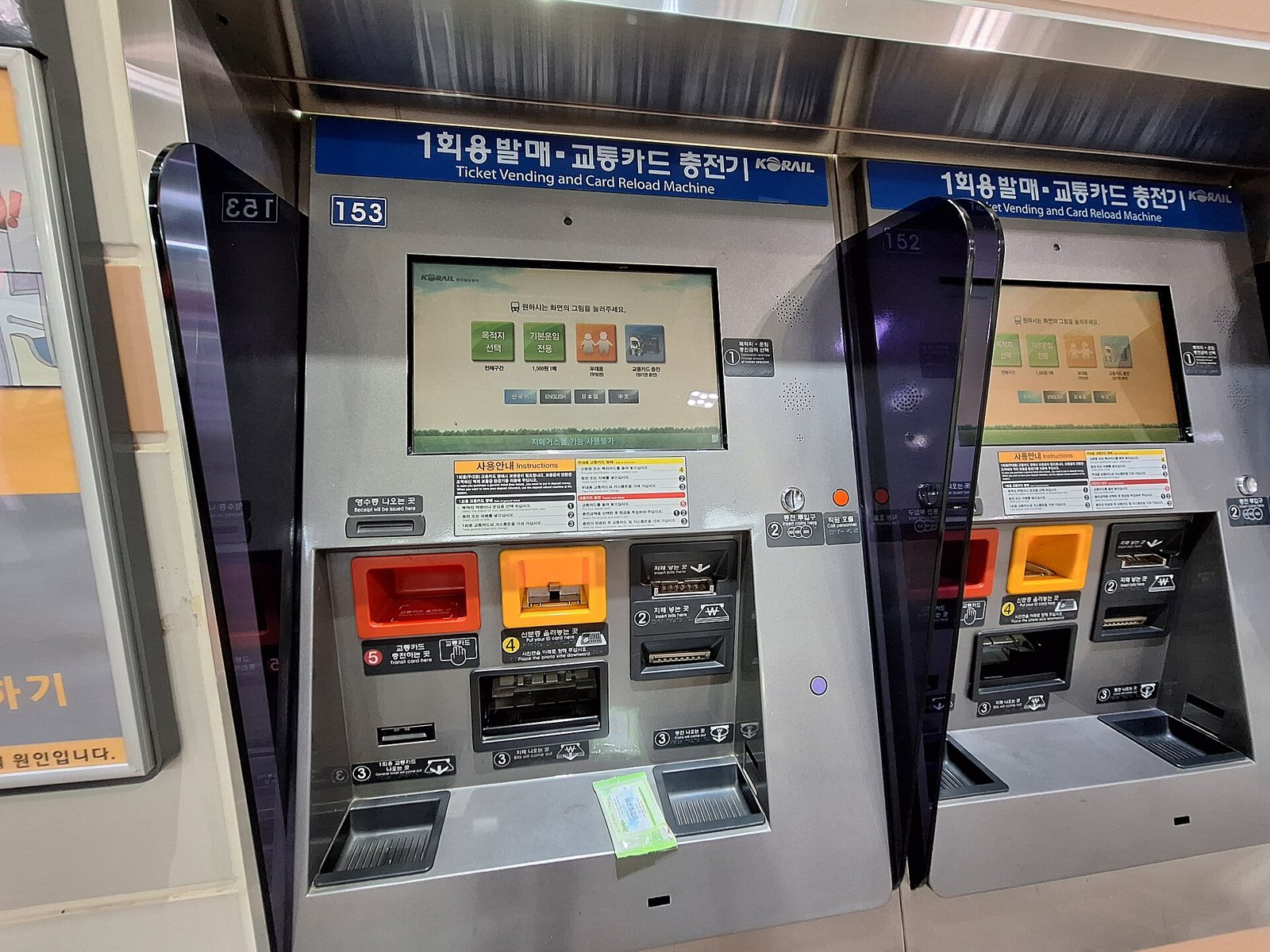
- T-money: sold at convenience stores and in stations. Top up with cash in ₩1,000 steps, from ₩1,000 to ₩90,000 at a time; a card can hold up to ₩500,000 (T-money).
- Climate Card: the physical card is sold at the new ticket machines on Lines 1–8, and at convenience stores near Line 9, Ui-Sinseol and Sillim line stations (Seoul city).
- T-money refunds: small balances can be refunded at participating convenience stores, balances up to ₩50,000 at the T-money service desks in subway stations, and anything over ₩50,000 only at T-money Town (Seoul Station Exit 10, Seoul City Tower 1F). You get the balance back in cash minus a ₩500 fee; the price of the card itself isn't refunded. Partial refunds are only done at T-money Town and the T-money service centers in subway stations (T-money; VisitKorea).
- Single-journey ticket: ₩1,650 for the first 10 km plus a ₩500 deposit. Put the ticket in the deposit refund machine at your destination to get the ₩500 back (Seoul Metro; AREX).
4. Fares and the transfer discount
With a transit card, the adult fare is ₩1,550 for the first 10 km, plus ₩100 for every 5 km up to 50 km and ₩100 for every 8 km after that. Single-journey tickets cost ₩100 more (Seoul Metro).
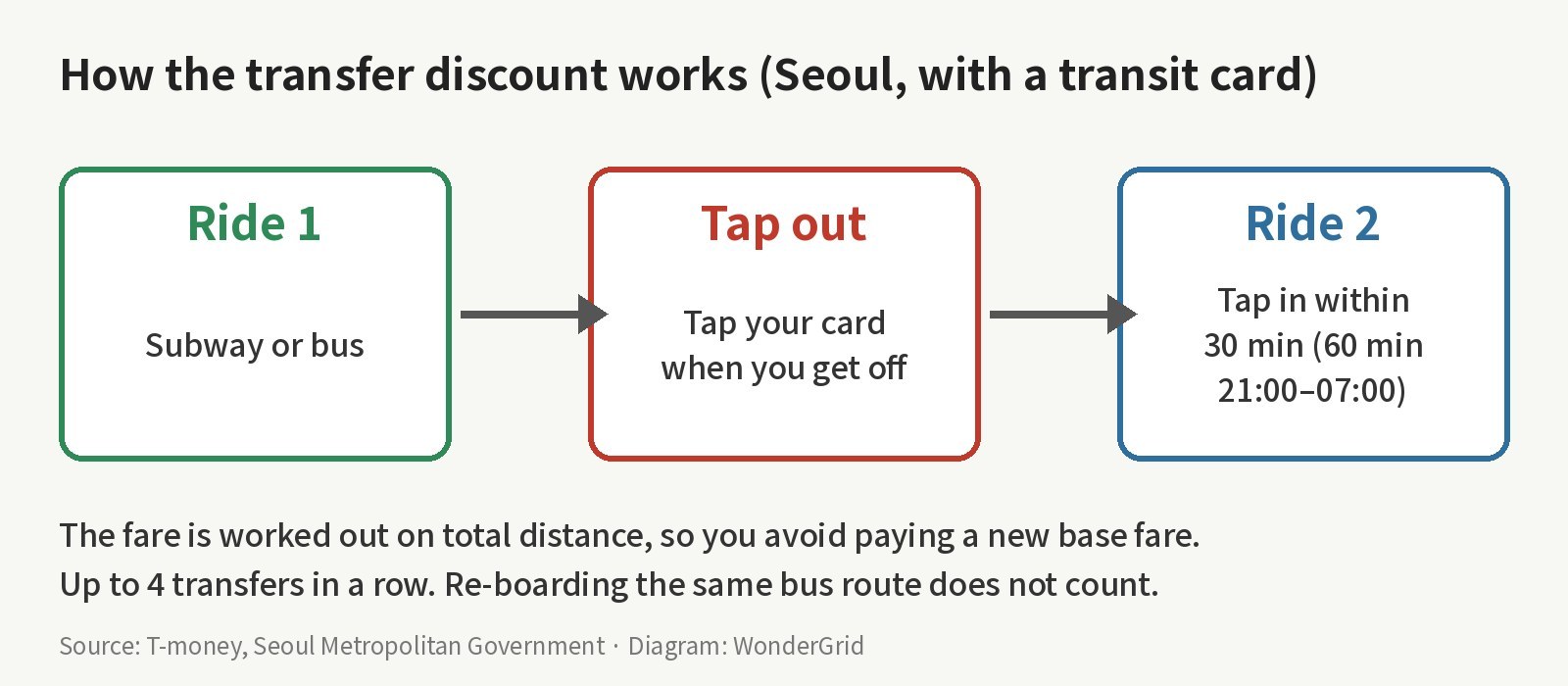
Transfers between subway and bus, or bus and bus, are discounted if you tap in within 30 minutes of tapping out (60 minutes between 21:00 and 07:00). You can transfer up to four times in a row, and re-boarding the same bus route doesn't count (T-money; Seoul city).
5. Apps: Naver Map, KakaoMap, Subway Korea
Naver Map and KakaoMap show subway routes with transfers, travel time and the exit to use, and they search best with Korean place names. A subway-only app such as Subway Korea is handy for the network map and transfer planning. Google Maps is less useful in Korea, so don't rely on it for walking directions.
6. Read the line colors, station numbers and exits
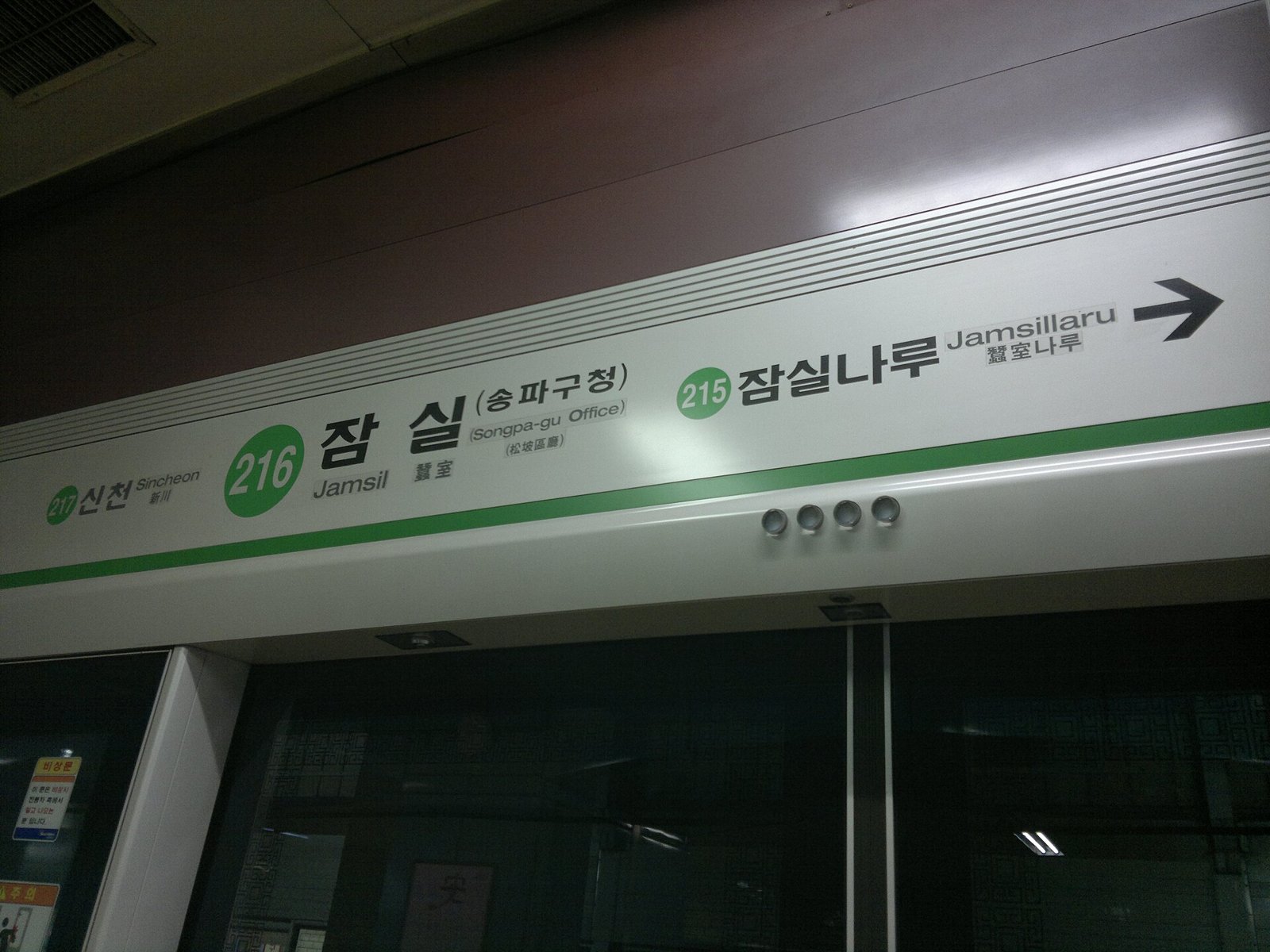
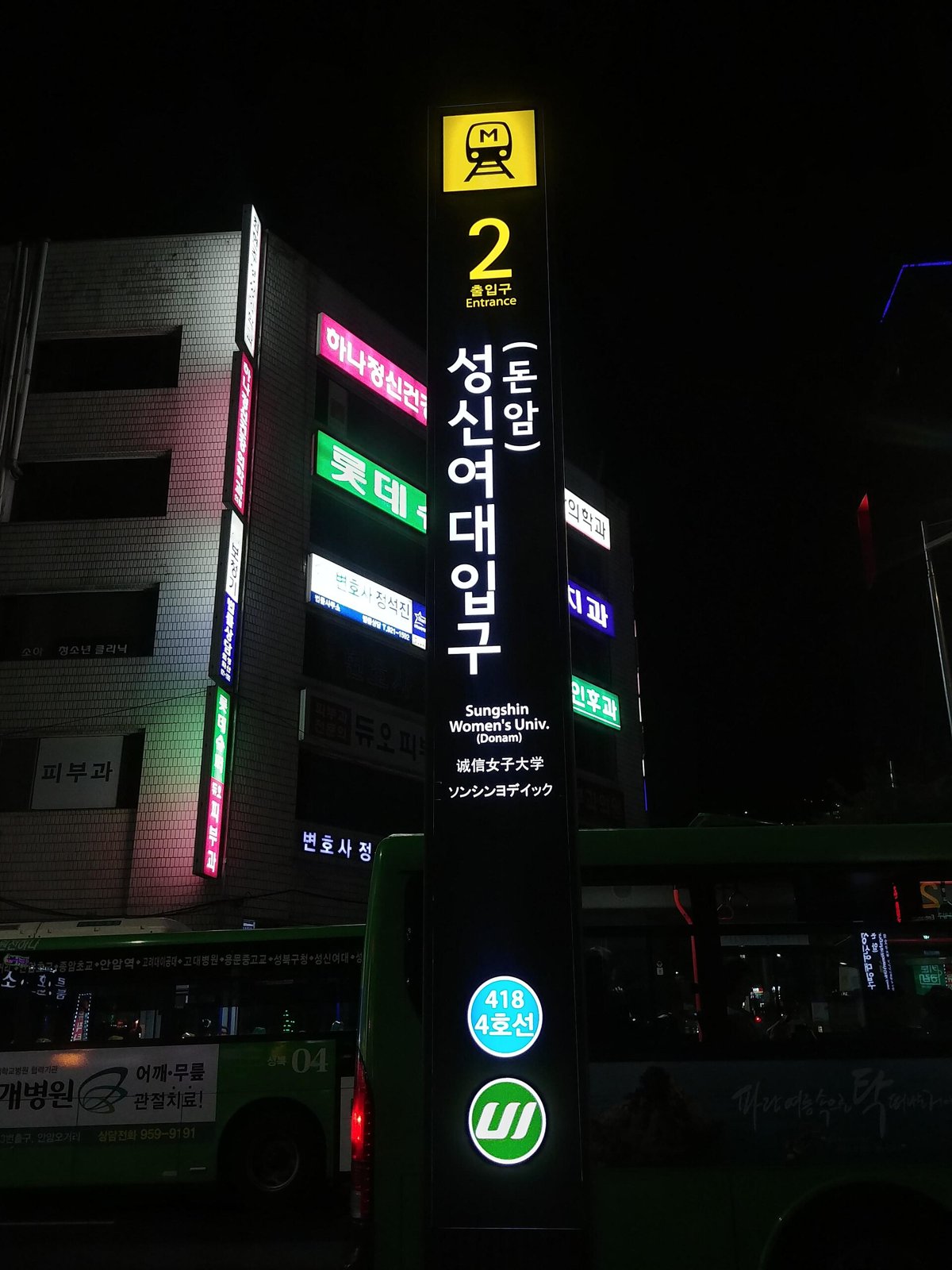
Each line has a color and a number, and every station has a number too; the first digit is usually the line. Signs tell you the next station in the direction of travel, so check them before you board. Exits are numbered, and maps and apps tell you which exit to take. Exit signs often carry the line number and station name at street level as well.
7. Line 9 express trains
Line 9 runs local and express trains on the same track, alternating one to one. Express trains stop only at the stations marked as express stops, including Gimpo Airport, Magongnaru, Dangsan, Yeouido, Noryangjin, Express Bus Terminal, Sinnonhyeon, Sports Complex and Olympic Park. At some stations a local train waits while the express passes, so listen for the announcement (Metro 9).
8. Incheon Airport to the city: AREX
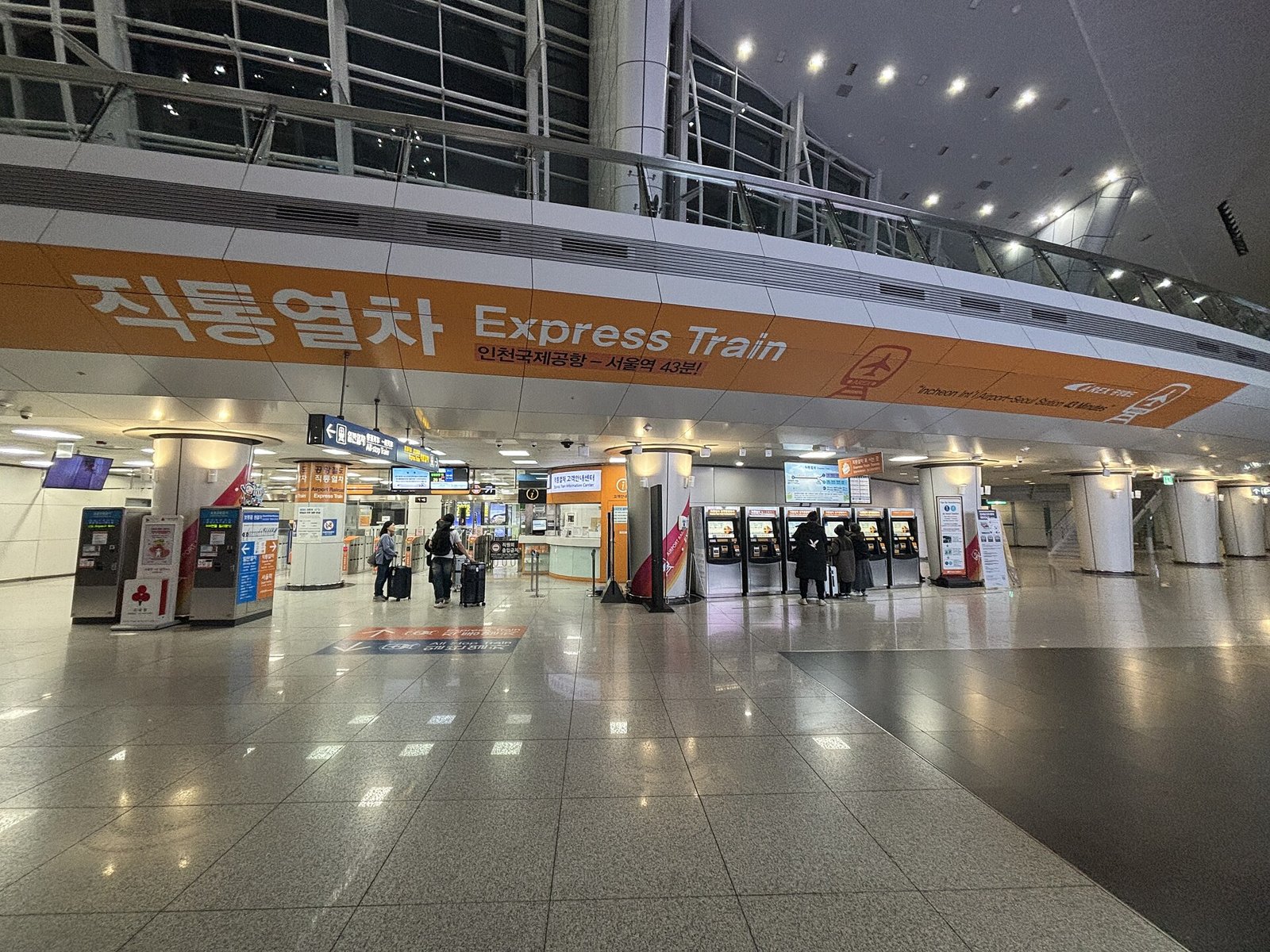
- Express train: nonstop between Seoul Station and the airport. Seoul Station to Terminal 1 takes 43 minutes and to Terminal 2 takes 51 minutes. Adult fare ₩13,000 (the regular fare is ₩18,500 to T1 and ₩19,100 to T2, currently discounted). You need a separate ticket; a transit card won't get you on (AREX).
- All-stop train: Seoul Station to Terminal 1 normally takes 59 minutes (61–65 minutes on some trains) and to Terminal 2 66 minutes (68–72 on some trains), so check your departure. ₩4,750 to T1 and ₩5,350 to T2 by transit card. It stops at Gongdeok, Hongik University, Digital Media City, Magongnaru and Gimpo Airport, where you can change to other lines (AREX; fares).
- First express trains (weekdays and holidays): 05:16 from Terminal 2, 05:24 from Terminal 1 and 06:00 from Seoul Station (AREX timetable).
9. First and last trains
The subway doesn't run all night. First and last train times differ by line, station, direction and day of the week, so check the exact times for your station in Seoul Metro's Cyber Station timetable, or in Naver Map and KakaoMap. If you're out late, look up your last train before dinner.
10. Priority seats and pregnancy seats
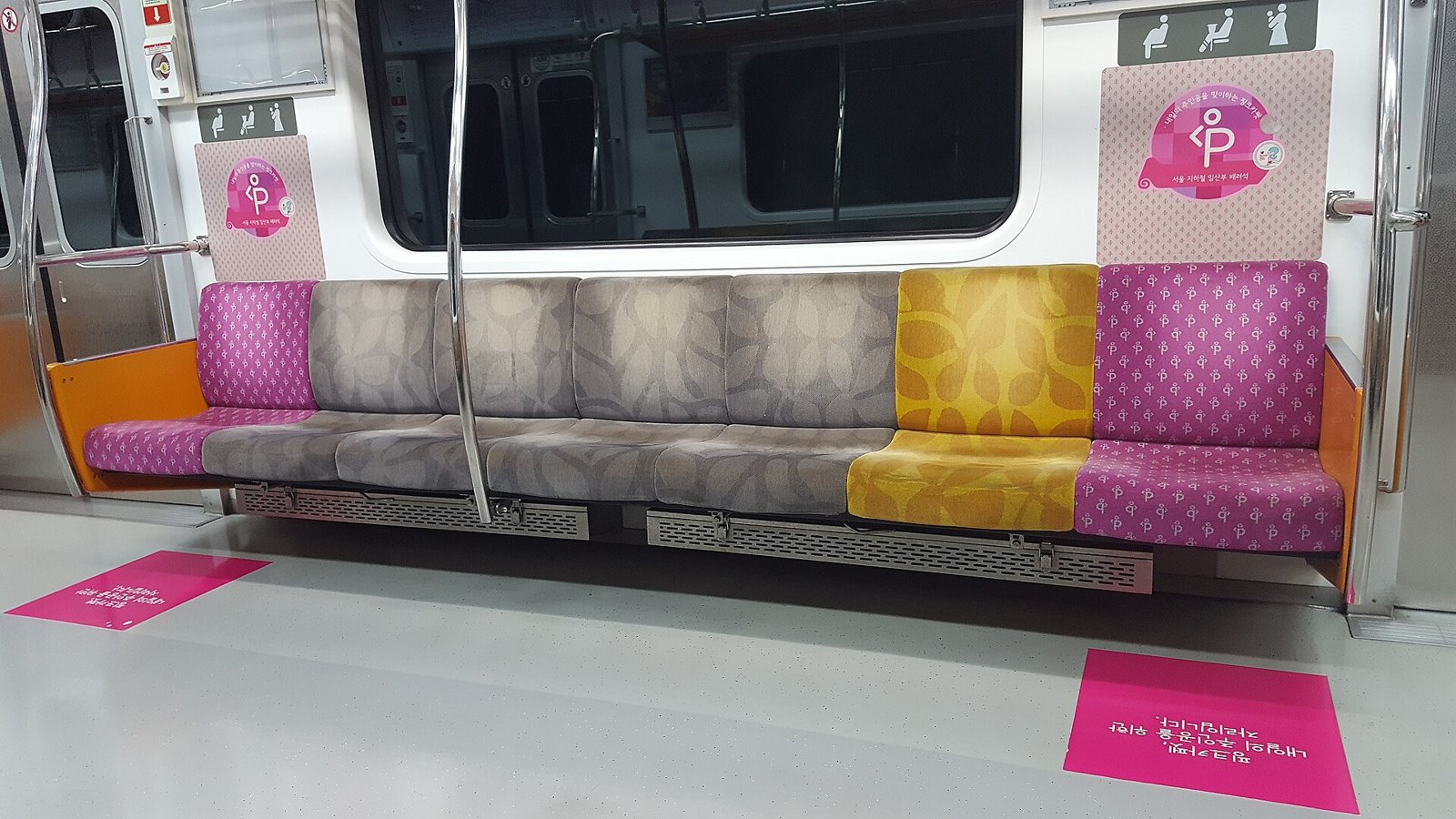
The seats at each end of a car are priority seats for older people, people with disabilities and pregnant women. On the long middle benches, the pink seats at each end are pregnancy seats (임산부 배려석). Leave both kinds free even when the train is full (Seoul city).
11. Rush hour
Weekday commuting hours are the most crowded, especially on Line 2 and at big transfer stations. If you have luggage, travel outside these times, stand aside at the doors to let people off first, and take your backpack off in a crowded car.
12. Wi-Fi
Seoul's free public Wi-Fi is SEOUL_Secure: enter seoul as both the ID and password once and it connects automatically after that. The city lists streets, parks, bus stops, tourist sights and city buses among the places it covers (Seoul city). For reliable data underground, a local SIM, eSIM or pocket Wi-Fi is the safer bet.
13. Lost and found
If you leave something on a train, note the time, the direction and where you were in the train, and ask station staff straight away. Seoul Metro runs lost and found centers at City Hall (Lines 1 and 2), Chungmuro (3 and 4), Wangsimni (5 and 8), Taereung (6 and 7) and Sports Complex (Line 9), open weekdays 09:00–18:00 (Seoul Metro).
Busan and other cities
Busan's subway (Busan Transportation Corporation, Lines 1–4) charges by zone: ₩1,600 for one zone and ₩1,800 for two by transit card or mobile ticket, ₩100 more by QR ticket. Its mobile app sells a 1-day pass for ₩6,000 and a 3-day pass for ₩13,000, valid on the subway only. Busan's lost and found number is 051-640-7339 (Humetro). Daegu, Daejeon and Gwangju also have their own subway systems.
Sources
- Climate Card: Seoul city, short-term pass; FAQ; 30-day pass end FAQ; overseas card payment, March 2026
- Fares: Seoul Metro fare table
- T-money cards, top-up, refunds and transfers: T-money foreigner guide; VisitKorea transportation cards; Seoul city transfer discount
- Contactless gates: Munhwa Ilbo, Seoul Metro tagless/EMV plan
- AREX: Express; All-stop; fares; Express timetable
- Line 9: Metro 9 train guide
- Timetables: Seoul Metro Cyber Station
- Pregnancy seats: Seoul city
- Wi-Fi: Seoul city
- Lost and found: Seoul Metro
- Busan: Busan Transportation Corporation fares
Last checked: October 15, 2026. Fares and timetables change, so check the official pages before you travel.